The Science of Pain, Made Simple

Demystifying Pain: Pain Neuroscience Education 101

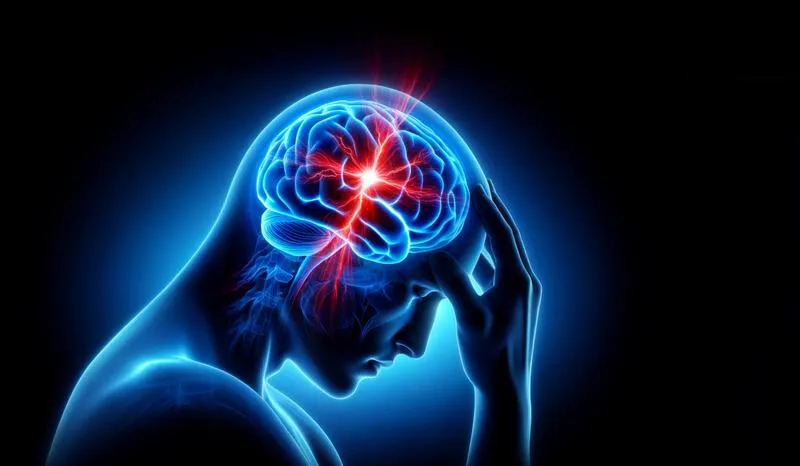
Neuroscience shows us that pain is deeply complex, but it also offers a powerful explanation for why it can persist long after an injury has healed. Pain Neuroscience Education (PNE) is a vital part of a holistic path to recovery. By understanding the ‘why’ behind your symptoms, the fear that keeps your system on high alert begins to soften, and the door to healing can finally open. Modern research reveals that chronic pain is not a sign of a broken body, but a result of prediction, protection, and nervous system learning.

In a nutshell, chronic pain is any pain that lasts beyond the typical healing time—usually three to six months. It may be tied to an ongoing injury or disease, but it can also persist long after any damage has healed. In either case, chronic pain is indicative of changes in how your nervous system processes and perceives everyday sensations.

Below is a guided breakdown of key PNE concepts—including acute vs. chronic pain, structural vs. non-structural (neuroplastic) pain, and primary vs. secondary pain patterns—to help you better understand the different terms used in chronic pain.

A Gentle Reminder: It’s important to know that you don’t need to master these concepts or remember every detail to begin your healing journey. If we work together, I will guide you through these ideas gently and at your own pace, moving only as fast as your nervous system feels safe to go. We will apply this knowledge in a way that feels personal, supportive, and relevant to your unique story

Click on the boxes below if you’d like to explore these pain neuroscience concepts in more detail. Knowledge can be both empowering and healing—but only when it feels safe and accessible.

If you’d like to explore these ideas further in your own time, you’ll find additional supportive resources 👉 HERE.

Pain

ACUTE PAIN VS CHRONIC PAIN

Chronic Pain

PRIMARY VS SECONDARY VS NON-STRUCTURAL

Chronic Pain Types

NEUROPLASTIC (MIND BODY), NOCICEPTIVE, NEUROPATHIC & MIXED PAIN

What is Mind-Body Syndrome ?

Often referred to as neuroplastic pain, Mind-Body Syndrome (MBS) describes real, physical symptoms that are generated or intensified by the brain and nervous system rather than by ongoing tissue damage. In these cases, the pain is not a sign of a broken body, but a sign of a highly efficient nervous system that has remained in a state of high alert. While the cause is non-structural, the experience of the pain is very much real—it is the brain’s way of communicating that it still perceives a need for protection

What is Neuroplasticity?

In simple terms, neuroplasticity is the brain’s incredible ability to change, adapt, and rewire itself throughout your entire life. Think of your brain like a lush garden: the more you walk a certain path, the deeper and more permanent that trail becomes. In a nutshell: Neuroplasticity means your brain is not hardwired. It is a living, changing system that is always listening and learning—which means healing is always possible.

When your brain perceives a threat—whether it’s current emotional stress, past trauma, fear, or deep-seated internal conflict—it can create pain, fatigue, and various other physical symptoms as a protective mechanism. It is important to realize that your brain is capable of creating almost any symptom, anywhere in your body, if it believes you are in danger. In these cases, your system isn’t malfunctioning; it is trying to shield you from ‘inner predators’—the difficult emotions or memories that it feels are too overwhelming for you to face alone.

Mind-body syndrome has been referred to by many different names across medicine, psychology, and neuroscience. These include:

  • MBS

  • Tension Myositis Syndrome (TMS)
  • Neuroplastic pain

  • Central sensitisation

  • Centralised pain
  • Nociplastic pain

  • Psychophysiological disorder

  • Stress-related pain and symptoms

  • Functional pain / functional symptoms

  • Brain-based pain
  • Neural pathway pain

Please allow me to debunk a common misleading notion that the pain is “all in your head.” It is not! You are not making it up. The suffering is real—fully physical and deeply embodied. Your brain experiences it in the same way it would experience the agony of an acute injury, such as a limb being severely wounded. The pain is very real—but it comes from how your brain and mind are communicating, not from structural harm in your body.

It’s important to first consult with a medical doctor to rule out conditions that require medical treatment, such as infection, cancer, or heart disease, to name but a few. Once medically treatable causes have been appropriately assessed or addressed, mind-body and nervous system approaches are a powerful part of recovery from chronic pain.

What matters most is this: because the brain learned these pain patterns due to mechanisms of neuroplasticity, it can also learn to change them through approaches such as Pain Reprocessing Therapy (PRT), somatic tracking, and emotional processing.

MBS is often behind chronic symptoms that don’t respond to traditional medical treatment. These are common conditions linked to MBS that I work with (but not limited to).

  • Brain fog and inattention syndromes
  • Chronic back or neck pain/sciatica (often believed to be from bulging discs, spinal stenosis, arthritis, or nerve damage)
  • Shoulder, leg, knee, foot, hand, or elbow pain
  • Chronic burning sensations
  • Tension headaches or migraines
  • Multiple Chemical Sensitivities (MCS)
  • Flares associated with autoimmune diagnoses
  • Long COVID
  • TMJ / jaw pain
  • Irritable Bowel Syndrome (IBS) / chronic GI issues
  • Chronic fatigue/ME
  • Pelvic pain syndromes
  • Interstitial cystitis, chronic UTIs
  • Repetitive strain injuries (e.g. carpal tunnel)
  • Rosacea/persistent skin issues
  • Chronic anxiety, depression, insomnia
  • Fibromyalgia (supported through my specialised RISE Program)

Once again, these symptoms are not imagined, and you are not being dramatic or overreacting—they are brain-based. And with the right understanding and approach, they can be reduced or even fully resolved.

Typical Mind-Body Expressions

Emotional & Personality Patterns

These traits are often the adaptive “survival strategies” of a sensitive nervous system—roles we’ve stepped into to stay safe or cope with a world that feels overwhelming:

  • Highly responsible, dependable, dependent and conscientious

  • Strong inner critic or perfectionistic tendencies

  • Difficulty resting without guilt

  • Tendency to push through pain or fatigue

  • Sensitive to criticism or conflict

  • Often described as “strong,” “the reliable one,” or “the helper”

Life History & Stress Patterns

Our bodies carry the stories we didn’t have the words to tell. Your current symptoms may be the result of a nervous system that has lived in “high-alert” mode for a very long time:

  • History of chronic stress, pressure, or high expectations

  • Early responsibility, caregiving roles, or emotional neglect

  • Repeated experiences of feeling unseen, unsafe, or unsupported

  • The Truth About Trauma: Understanding that trauma isn’t always a “Big T” event. Ongoing emotional strain, “small” persistent stressors, and the lack of a safe place to land all count—and your body remembers them all.

Emotional Processing Patterns

For many, the body speaks because the voice cannot. These patterns often develop as a way to maintain safety in relationships or to avoid “dangerous” internal storms:

  • Habit of suppressing emotions rather than expressing them

  • Difficulty feeling or expressing anger

  • Prioritising harmony and keeping the peace

  • Feeling uncomfortable with disappointing others

  • Emotions often show up physically instead of verbally

Nervous System & Body Patterns

When the mind-body system is in a state of chronic protection, it leaves a physical footprint. You might recognize these signs of a nervous system that has become “hypersensitive”:

  • High anxiety or a constantly “on edge” feeling

  • Strong fear around symptoms or flare-ups

  • Pain that moves, spreads, or changes location

  • Symptoms worse with stress, emotions, or anticipation

  • Medical tests often come back “normal” despite very real suffering

Why This Matters for Healing

When emotional pressure builds internally and has nowhere to go, the body becomes the messenger.

Through compassion, education, nervous system regulation, pain reprocessing, and emotional healing, we can gently help the brain relearn safety—allowing danger-based pain pathways to soften and symptoms to disappear.

TELL ME ABOUT YOUR PATTERNS OF PAIN: BOOK A FREE CALL WITH ME HERE

Start Typing