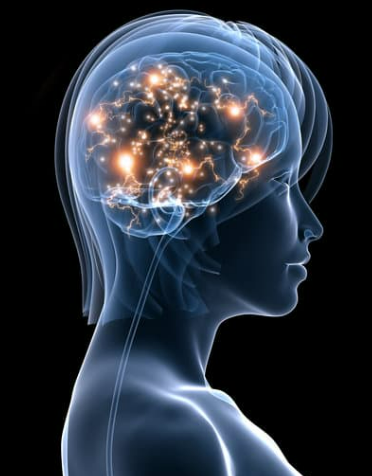
Firstly, there are no pain receptors in the body. There are danger receptors called nociceptors. All pain is made in the brain. If you burn your hand, the nociceptors in your skin will send this message up a “danger pathway” and then once this message reaches the brain, the brain will decide if pain is warranted or not. The brains most important job is to protect you. It needs to give you pain so that you remove your hand from the heat and heal the damaged part. This is a basic explanation of how acute pain works.
Acute pain is sudden in onset & has a limited duration. It’s short-lived, typically lasting from a few seconds to a few days, weeks, or at most, a few months. It’s expected to resolve as the underlying injury or illness heals which is within 3-6 months. The human body is incredible —it heals!
Acute pain is a symptom– Its a signal of actual or potential tissue damage. It’s your body’s alarm system, warning you that something is wrong and prompting you to take action to protect yourself (e.g., pulling your hand away from a hot stove).
Acute pain treatment is often handled by emergency or surgical specialists who treat the underlying injury or illness for short-term relief and recovery. Or maybe it involves a plaster or a bandage.
Impact on daily life: the body tries to avoid movement around the painful area where the muscle will get tense, inflamed and painful in order to enforce healing through rest.
Areas of the brain activated are brain regions controlling fear, anxiety, and worry, all of which are normal responses to a dangerous situation as an act of survival, and within healing time (3-6 months), the brain discontinues to activate these areas of fear and anxiety, and pain starts diminishing and then discontinues.
Has a clear cause. It’s usually associated with an identifiable event, for example, like an injury, surgery, a burn, being cut, or other structural bodily damage.
Examples: A sprained ankle, post-surgery discomfort, burns, tooth injury, appendicitis, or a fracture.
At PainEase Coaching, acute pain isn’t the focus, but understanding it helps prevent it from becoming chronic.