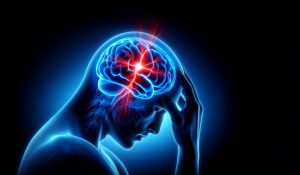
Inflammation is the body’s natural healing response, but in autoimmune disease it often becomes chronic, driving ongoing pain and tissue damage. This long-term inflammation affects not only the body but also the nervous system, making pain more intense and widespread.
How inflammation drives pain:
• Chemical mediators: Immune cells release pro-inflammatory cytokines (e.g., IL-1, IL-6, IL-17) that sensitize nerves, increasing pain sensitivity.
• Mechanical pressure: Swelling from inflammation compresses nearby nerves, amplifying pain signals.
• Nervous system changes: Ongoing inflammation can cause central sensitization, where the brain and spinal cord stay on “high alert,” amplifying pain even after the original trigger has passed.
Autoimmune diseases can create complex pain profiles, often blending inflammatory, structural, neuropathic, and neuroplastic components. Understanding these patterns is essential for safe, effective management—and is central to the PainEase FLOW Program.
Rheumatoid Arthritis (RA): Chronic inflammation of the joint lining (synovium) causes pain, swelling, and stiffness.
Pain is typically mixed, presenting as inflammatory and structural/nociceptive.
Common features: warm, swollen joints (often hands and feet), morning stiffness, and symmetry across both sides of the body.
Long-term inflammation can erode bone and damage other systems (eyes, lungs, heart).
Systemic Lupus Erythematosus (SLE): A systemic autoimmune disease affecting skin, joints, kidneys, lungs, and more.
Pain is a mixed state:
• Inflammatory/Structural: Joint and muscle pain, arthritis, tendonitis.
• Neuropathic: Burning, shooting, or tingling from nerve involvement.
• Neuroplastic: ~30% of patients also have fibromyalgia, requiring careful distinction between inflammatory vs. neuroplastic-driven pain.
Sjögren’s Syndrome: Best known for dry eyes and mouth, but also systemic.
Pain is typically mixed, presenting as inflammatory and neuropathic:
• Inflammatory: Symmetric joint flares, swelling, and tenderness.
• Neuropathic: Burning, stabbing, or skin-on-fire sensations from nerve involvement.
• Neuroplastic: Fibromyalgia overlap adds widespread, muscle-related pain.
Multiple Sclerosis (MS): An immune attack on the brain and spinal cord leads to demyelination (nerve coating loss).
Pain presents as:
• Neuropathic (direct): Trigeminal neuralgia (sharp facial pain), Lhermitte’s sign (electric shock sensation), burning/tingling dysesthesias.
• Structural/Nociceptive (secondary): Muscle and back pain from spasticity
• Neuroplastic: nervous system hypersensitivity can result from long-term medical and movement fear
Other Autoimmune Conditions with Pain:
Ankylosing Spondylitis: Inflammatory pain in the spine.
Psoriatic Arthritis: Joint inflammation linked with psoriasis.
Myositis: Muscle inflammation causing pain and weakness.
IBD (Crohn’s, Ulcerative Colitis): Chronic gut inflammation with systemic pain.
Guillain-Barré Syndrome (GBS): Immune attack on peripheral nerves, causing weakness and sensory pain.
Type 1 Diabetes: Autoimmune attack on insulin-producing cells, with secondary pain complications.
Scleroderma: Tissue hardening; can cause painful neuralgia.
Autoimmune pain is complex—often involving structural changes, immune activity, and nervous system sensitization. That’s why no single solution works for everyone. The most effective care is personalized and multidisciplinary, addressing the full spectrum of pain drivers.
This is where my FLOW Program adds real value. Through one-on-one sessions, FLOW combines evidence-based strategies—from movement pacing, nutrition, and flare planning to brain retraining, emotional processing, and mindfulness—into a plan tailored to your condition. By caring for both the body and the nervous system, FLOW helps reduce symptoms, restore confidence, and build long-term resilience.
Other key components of autoimmune pain management may include:
• Pharmacological interventions: Anti-inflammatory medications (NSAIDs, corticosteroids), immunosuppressants, or biologic drugs to calm immune activity. Neuromodulators and certain antidepressants may help with neuropathic pain.
• Lifestyle modifications: Anti-inflammatory nutrition, regular low-impact exercise (e.g., walking, swimming, yoga, and tai chi), and good sleep habits can lower inflammation and support overall well-being.
• Mind-body therapies: Approaches like PRT, brain retraining, emotional processing, mindfulness, and trauma-informed practices calm an overactive nervous system, reduce fear, and ease symptom amplification—working alongside medical care to create a stronger foundation for healing.