Demystifying Pain: Pain Neuroscience Education 101

Demystifying Pain: Pain Neuroscience Education 101

Understanding the neuroscience of chronic pain is often the first step toward reclaiming your life. It helps us see why pain can stay ‘switched on’ long after the body has physically healed. In my practice, I use Pain Neuroscience Education (PNE)—the first pillar of my 5-Pillar Healing Framework—as a foundational bridge. It’s designed to help you move from a state of fear and confusion to one of understanding and safety, giving your nervous system the permission it needs to finally let go.
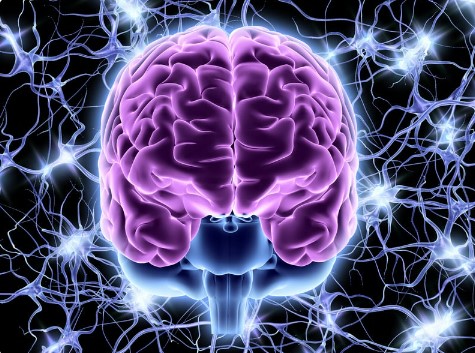

Non-Structural Neuroplastic Pain

Neuroplastic pain arises from the brain’s incredible ability to change, reorganize, and rewire itself. It occurs when the nervous system becomes ‘stuck’ in a learned pain loop, generally without ongoing tissue damage. It’s as if the brain has become an expert at producing a protective signal that is no longer needed.

Also known as nociplastic pain, neural pathway pain, mind-body syndrome (MBS), or tension myositis syndrome (TMS).

Some examples include:

• Fibromyalgia (Fibro-Focused program)
• Back and neck pain, including most disc bulges and degenerative changes
• Tension headaches/migraines
• Irritable bowel syndrome

At PainEase Coaching, the RISE Program is designed for neuroplastic pain, helping to rewire brain pathways, soften nervous system overprotection, optimize emotional processing, and potentially resolve symptoms, fostering emergence into a pain-reduced life.

The RISE Program

(Neuroplastic/Non-structural focus)

Structural- Nociceptive Pain

Nociceptive pain is essentially the “classic” pain we all understand—it’s the body’s response to actual or potential tissue damage.

Nociceptors are specialized nerve endings found throughout the body that act like the body’s alarm system. This type of pain occurs when actual organic damage is found in the biology and structure of the body. It stems from inflammation and/or tissue damage in the body’s structures (e.g., muscles, joints, or organs). It’s often localized and responds to physical triggers. The distinction between acute and chronic here depends entirely on the healing timeline and the nature of the injury.

Some examples of chronic structural pain include:

• Cancer pain
• Some arthritic conditions
• Some neurodegenerative and autoimmune conditions

Neuropathic Pain

Neuropathic pain is caused by the nerves themselves malfunctioning. It stems from a problem with the electrical wiring of the nerves, spinal cord, or brain.  These damaged nerves send faulty, amplified signals to the brain, leading to a variety of unusual and often intense sensations.

People describe neuropathic pain with words like:
Burning
Shooting or stabbing
Electric shock-like
Tingling or “pins and needles”
Numbness

Some examples include:

Multiple sclerosis
Diabetic neuropathy

At PainEase Coaching, the FLOW Program optimizes management for a mixed pain presentation (neuroplastic and structural) helping you build emotional resilience, social enhancement and reduce pain through targeted lifestyle and mindfulness strategies.

Chronic Pain Analogy: The Car Alarm

Think of your brain as the car alarm and your body as the car:

  • Structural Nociceptive Pain: Imagine someone hitting the bonnet with a heavy hammer. The car is physically dented, and the alarm goes off. Here, the alarm is doing its job perfectly—it’s alerting you to structural damage. The solution is to repair the body of the car.

  • Structural Neuropathic Pain: Now, imagine the alarm’s internal wiring has been frayed or pinched. The alarm goes off erratically—it might be quiet for a while, then suddenly scream for no reason, or make strange, glitchy sounds. The issue is in the “cables” (the nerves) themselves.

  • Non-Structural Neuroplastic Pain (MBS): Finally, picture a feather landing gently on the car. Even though the feather is weightless and does no damage, the alarm screams at full volume. The issue here isn’t the car’s body or the wiring—it’s the sensitivity of the alarm system itself. The brain has become so hyper-vigilant that it interprets a feather as a threat.

Different types of pain require different methods of treatment, but very often, due to the complex nature of pain, pain presents with more than one type- Mixed Pain.

Mixed Pain

Mixed Pain: When Pathways Overlap

Pain isn’t always a single note; sometimes, it’s a complex chord. Mixed Pain occurs when structural signals (nociceptive or neuropathic) and non-structural signals (neuroplastic) overlap. This makes the experience feel multifaceted, as the brain is processing both a physical “fire” and a “hypersensitive alarm” at the same time.

Common examples of mixed pain include:

  • A person with cancer (structural nociceptive pain) who also experiences fibromyalgia (non-structural neuroplastic pain).

  • A person with Multiple Sclerosis (structural neuropathic pain) who also navigates Irritable Bowel Syndrome (neuroplastic pain).

In these cases, we don’t just treat the “car”—we also work on calming the “alarm.

TELL ME ABOUT YOUR PAIN: BOOK A FREE CALL WITH ME HERE

Start Typing